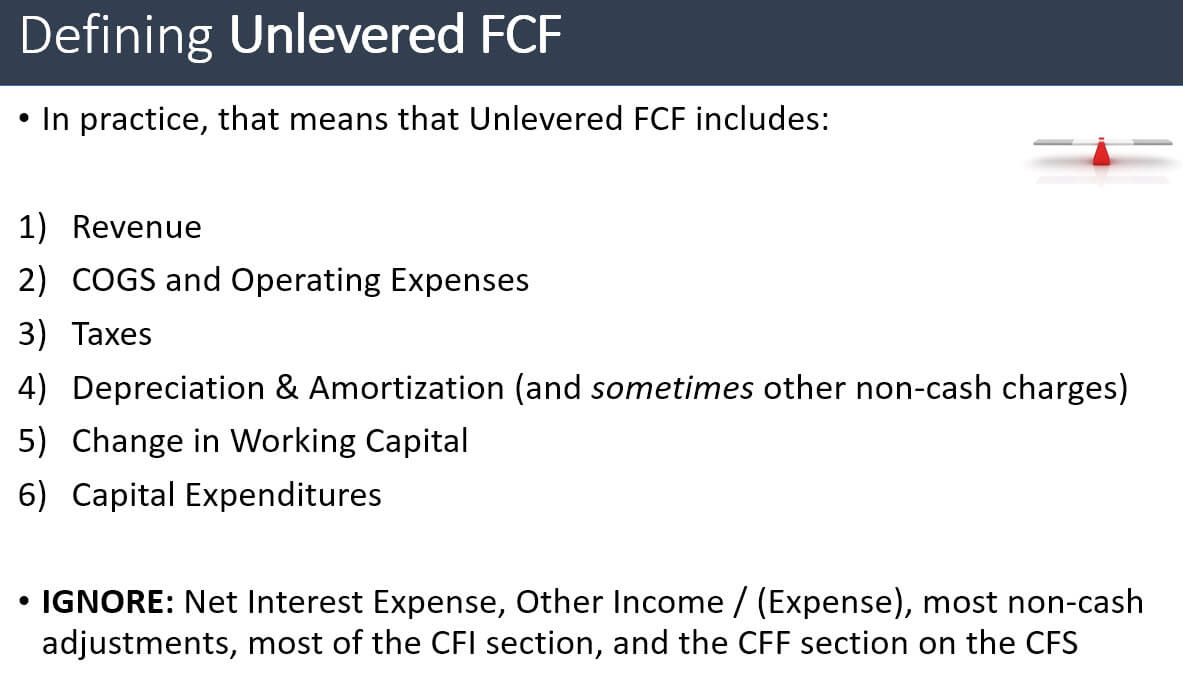
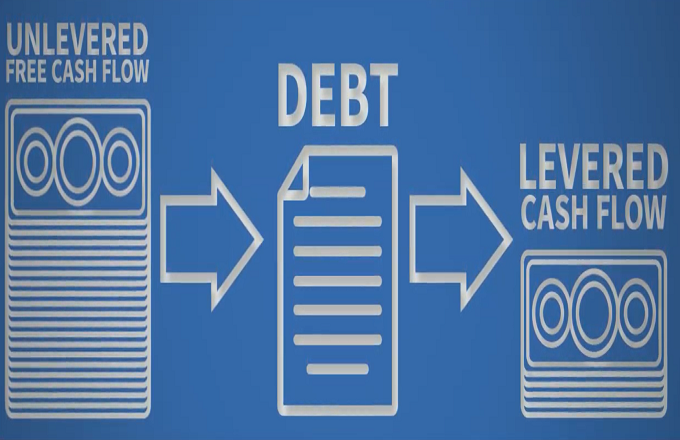
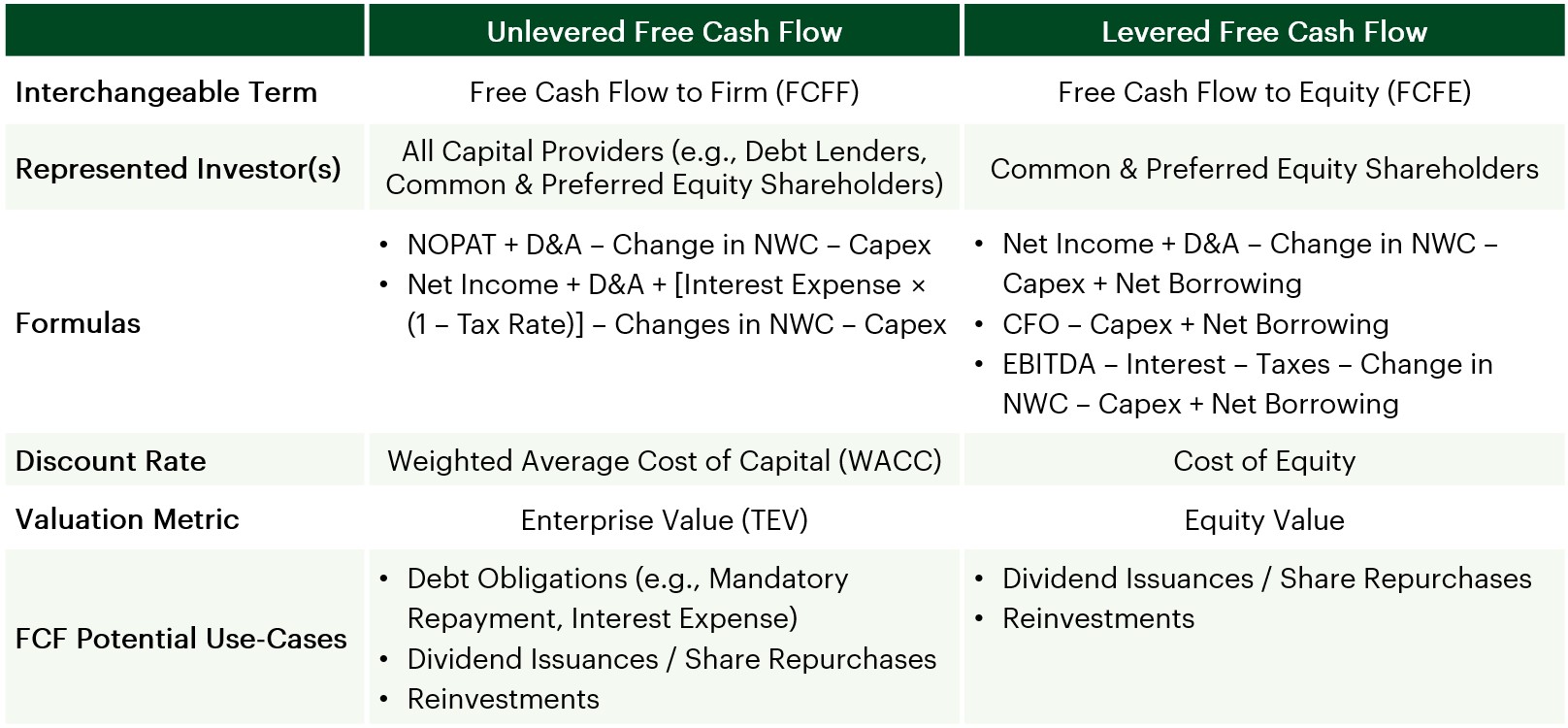
Unlevered free cash flow is the money the business has before paying its financial obligations. Levered cash flow is the amount of free cash available to pay dividends (the amount of cash available to equity holders after paying debt)
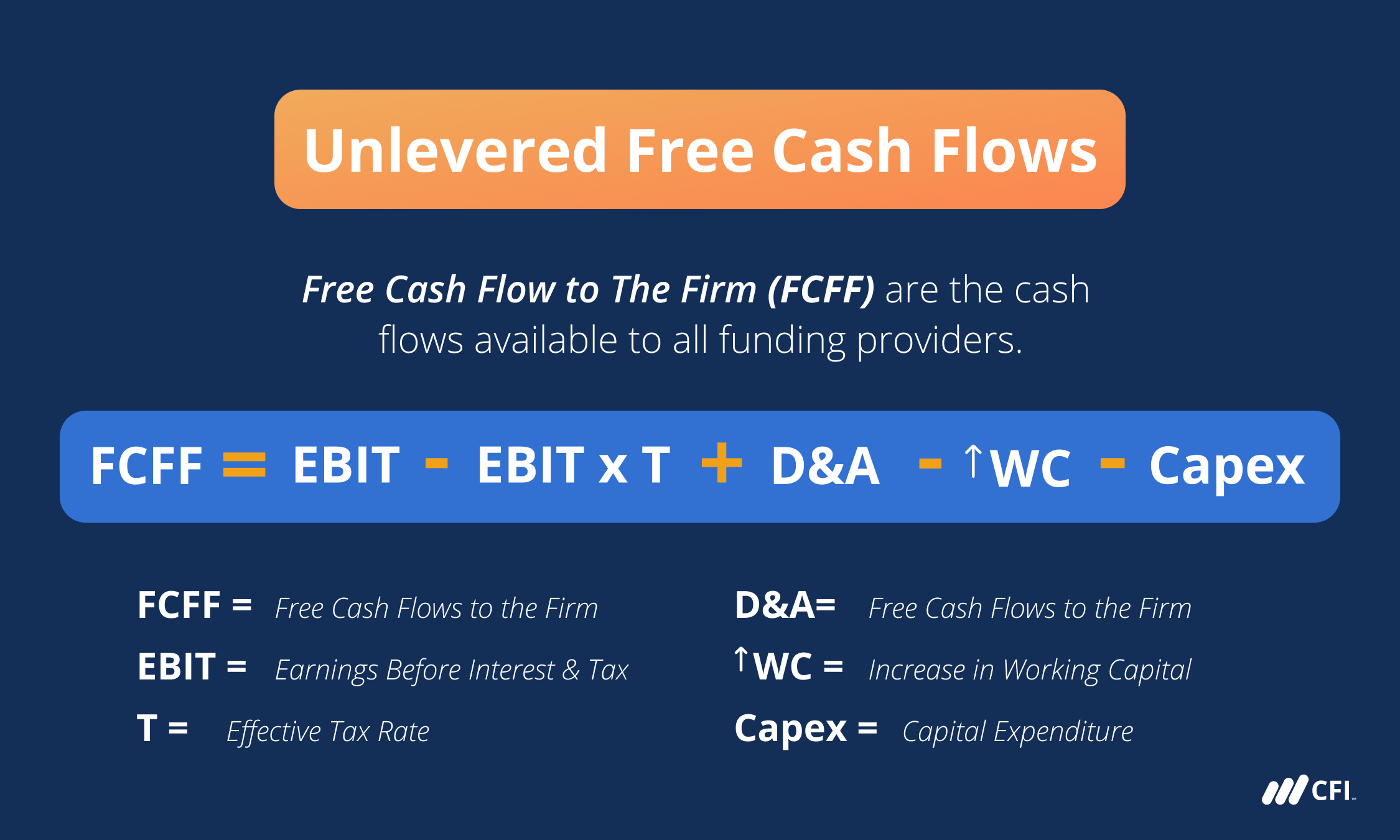
Unlevered Free Cash Flow - Definition Examples Formula
While unlevered free cash flows refer to the cash flows generated by the company without considering its financing structure, levered free cash flows are impacted by the amount of financial debt used.
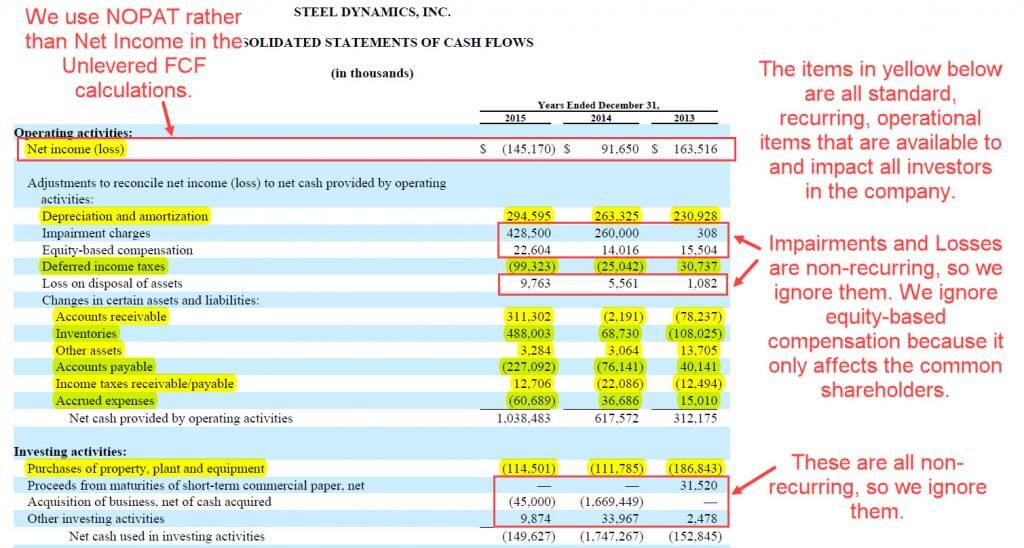
Unlevered free cash flow vs levered. Levered free cash flow shows the amount of funds that are left over once debt and interest on debt are paid. As mentioned above, the unlevered section entirely ignores all debt obligations that a company or a property incurs. Levered cash flow is the amount of cash a business has after it has met its financial obligations.
Unlevered free cash flow is the money the business has before paying its financial obligations. Unlevered free cash flow is the money the business has before paying its financial obligations.operating expenses and interest payments are examples of financial obligations. Unlevered cash flow is the amount of funds that are left over before paying interest.
Therefore, you’ll find that unlevered free cash flow is higher than levered free cash flow. Includes interest expense, and mandatory debt repayments (but opinions on this differ!). Levered free cash flow is considered to be an important metric from the perspective of the investors.
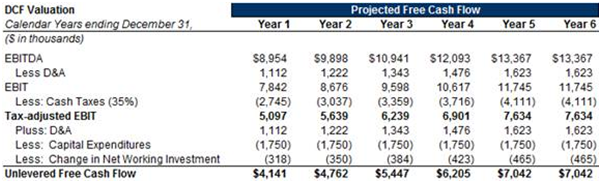
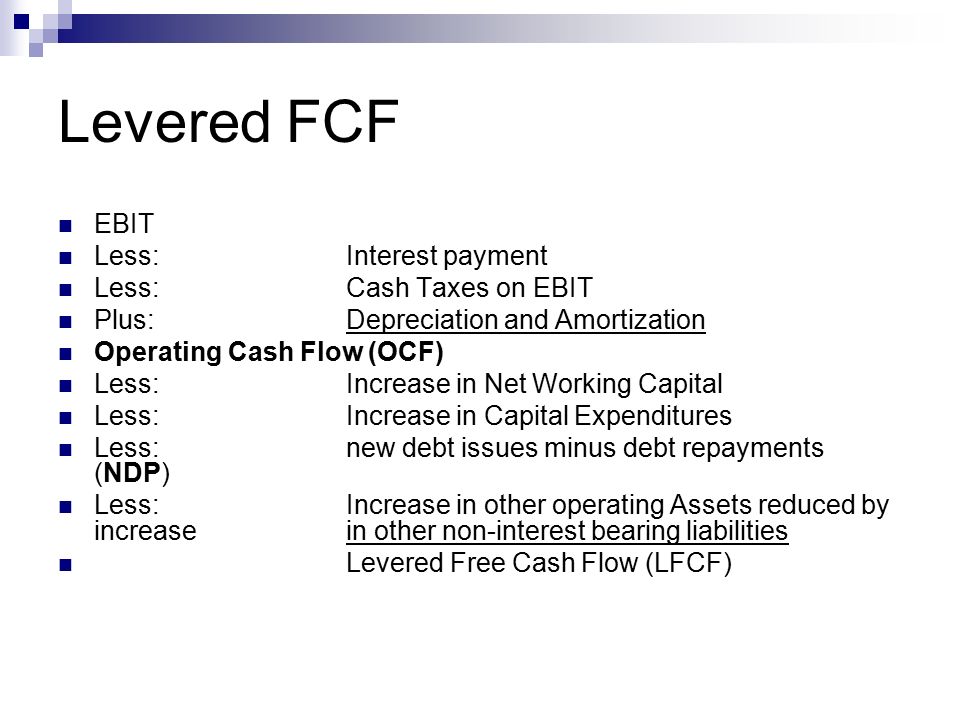
While unlevered free cash flow looks at the funds that are available to all investors, levered free cash flow looks for the cash flow that is available to just equity investors. Levered free cash flow is different from unlevered free cash flow because the latter assumes all capital is owned and none has been borrowed. The metric equals “earnings before interest, taxes, deprecation and amortization” (ebitda) minus capital expenditures minus changes in net working capital minus taxes.
Levered free cash flow assumes the business has debts and uses borrowed capital. That’s because the levered free cash flows equation subtracts debt and equity to yield operating cash only, while unlevered free cash flows do not. Leverage is another name for debt, and if cash flows are levered, that means they are net of interest payments.
The difference between levered and unlevered free cash flow is expenses. Levered cash flow at top shelf models, both our monthly and our annual cash flow tabs have two separate sections, one for the unlevered cash flow and one for the levered cash flow. It is also thought of as cash flow after a firm has met its financial obligations.
Unlevered free cash flow is the gross free cash flow generated by a company. Levered free cash flow is the amount that is available to the shareholders (since all debt obligations have been paid out). Unlevered free cash flow is the gross free cash flow generated by a company.
Why you should compare levered and unlevered cash flows The difference between levered and unlevered free cash flow is expenses. While unlevered free cash flow excludes debts, levered free cash flow includes them.
Unlevered free cash flow is cash a company generates before paying interest. I invite you to subscribe to my youtube channel at the link below: Unlevered free cash flow vs.
The difference between levered and unlevered free cash flow is expenses. Levered and unlevered free cash flow are concepts that stem from the term free cash flow. Unlevered free cash flow is used in both dcf valuations and debt capacity analysis and represents the total cash generated for both debt and equity holders;
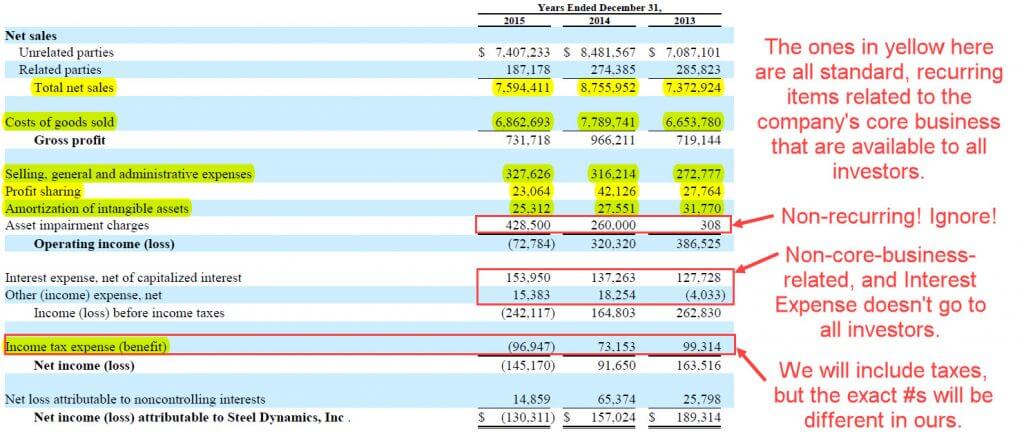
Levered vs unlevered free cash flow. The key difference between unlevered free cash flow and levered free cash flow is that unlevered free cash flow excludes the impact of interest expense interest expense interest expense arises out of a company that finances through debt or capital leases. Leverage is another name for debt , and if cash flows are levered, that means they are net of interest payments.
Levered cash flow is the amount of cash a business has after it has met its financial obligations. The levered fcf yield comes out to 5.1%, which is roughly 4.1% less than the unlevered fcf yield of 9.2% due to the debt obligations of the company. In some contexts, this is the reality:
Unlevered free cash flow is the money that is available to pay to the shareholders, as well as the debtors. Levered cash flow is the amount of cash a business has after it has met its financial obligations. Includes interest expense, but not debt issuances or repayments.
Excludes interest expense and all debt issuances and repayments. As you can see, the equation for unlevered free cash flow is not nearly as extensive as the one for levered free cash flow. Levered free cash flow vs.
Unlevered Free Cash Flow Formulas Calculations And Full Tutorial
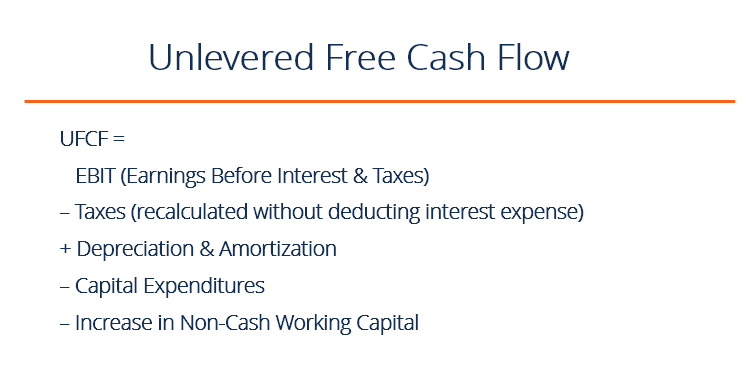
Unlevered Free Cash Flow - Definition Examples Formula
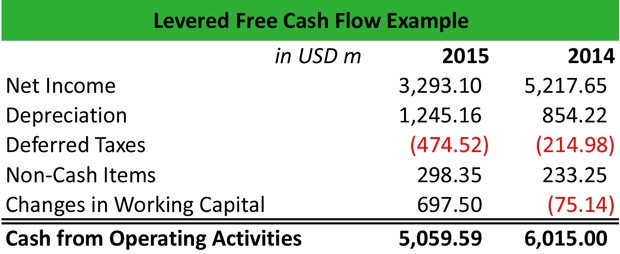
What Is Levered Free Cash Flow - Definition Meaning Example

Levered Vs Unlevered Free Cash Flow Difference Wall Street Oasis
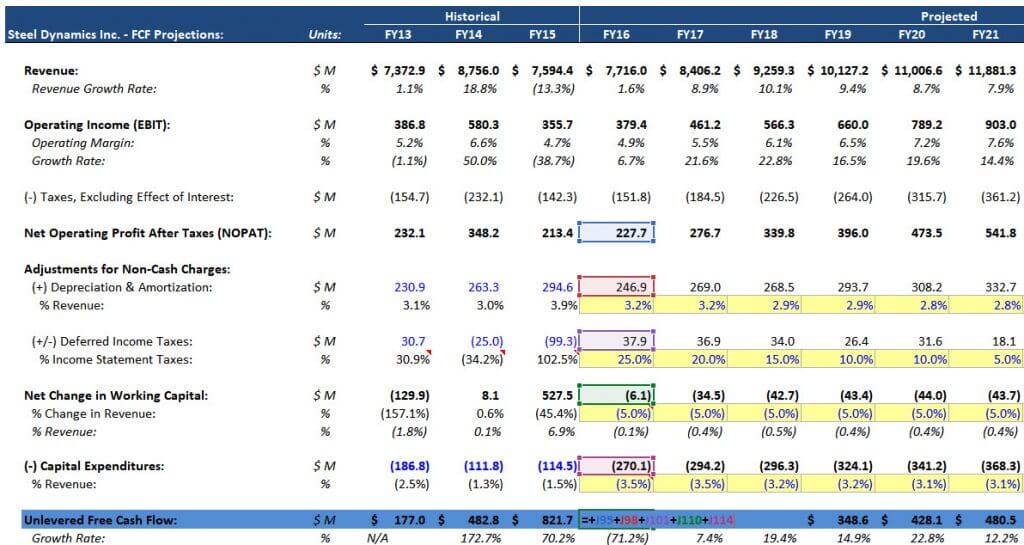
Unlevered Free Cash Flow Formulas Calculations And Full Tutorial
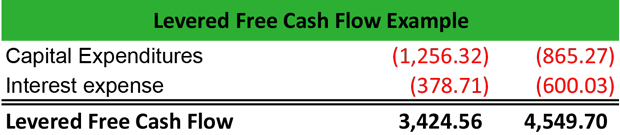
What Is Levered Free Cash Flow - Definition Meaning Example
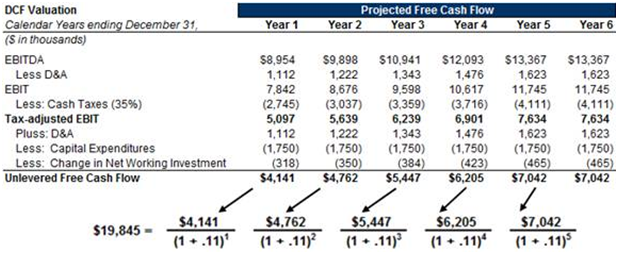
Discounted Cash Flow Analysis Street Of Walls

Unlevered Free Cash Flow Ufcf - Lumovest

Business Valuation Models Two Methods 1 Discounted Cash Flow 2 Relative Values - Ppt Download
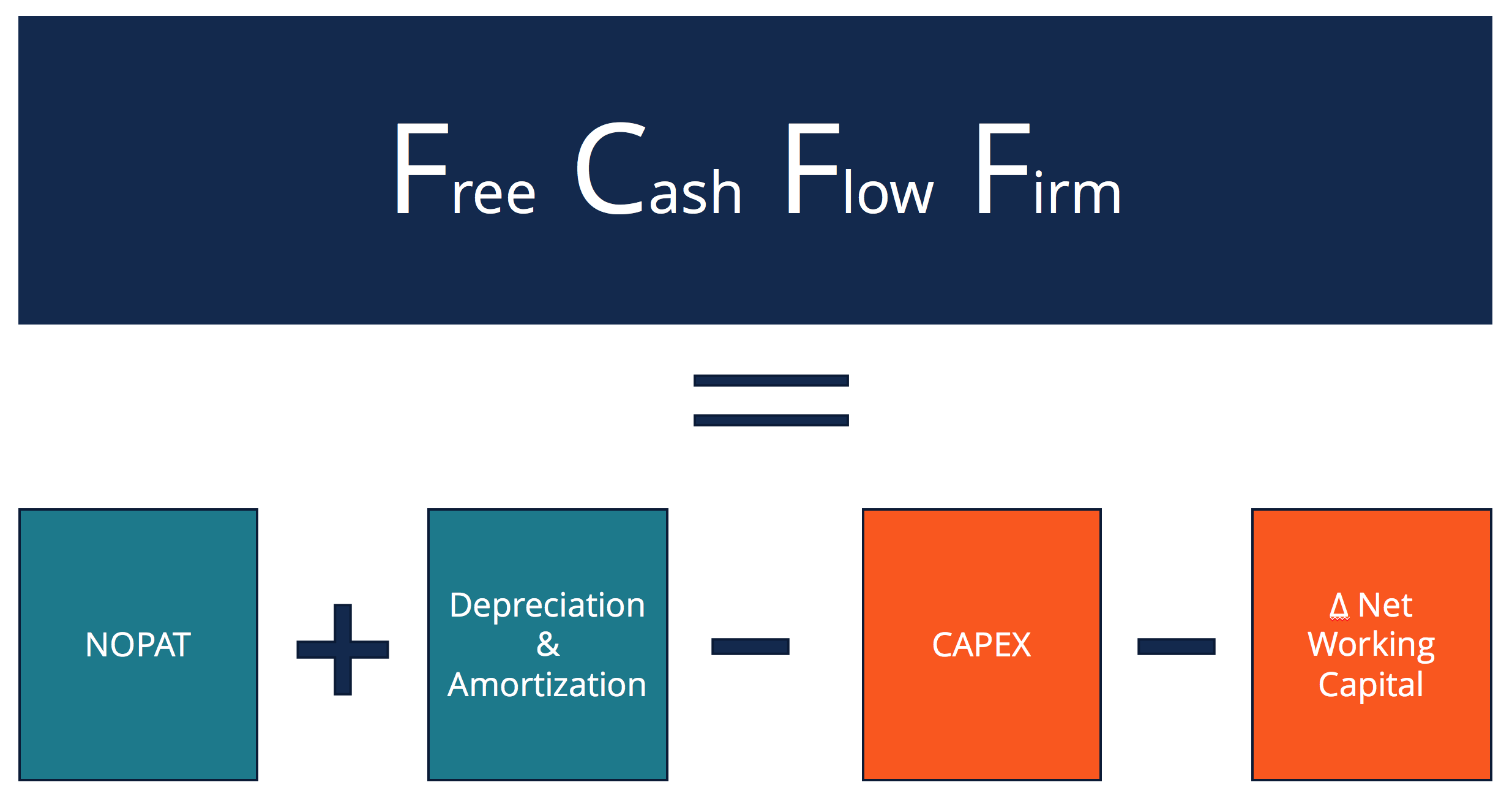
Free Cash Flow To Firm Fcff - Formulas Definition Example
Unlevered Free Cash Flow Formulas Calculations And Full Tutorial
:max_bytes(150000):strip_icc()/318fd1c560d72df660125152d9538c54-94be4c876080468c9301fe9617b86057.jpg)
Levered Free Cash Flow Lfcf Definition
Unlevered Free Cash Flow Formulas Calculations And Full Tutorial
Discounted Cash Flow Analysis Street Of Walls

What Is Free Cash Flow Calculation Formula Example
Understanding Levered Vs Unlevered Free Cash Flow
Business Valuation Models Two Methods 1 Discounted Cash Flow 2 Relative Values - Ppt Download
Unlevered Vs Levered Fcf Yield Formula And Calculation Differences - Wall Street Prep
Levered Vs Unlevered Irr
